
Acetaia Sereni has always been committed to researching the chemistry of vinegars and their potential benefits, in order to provide customers with realiable and transparent information about how its products can be used.
Why is vinegar so well known?
For centuries, vinegar has been used as a seasoning, a preservative, and a traditional home remedy. Today, many people even consider it a superfood: some scientists claim it promotes weight loss, improves digestion, lowers blood sugar, and benefits the skin. Entire dietary trends are built around its daily consumption.
Modern interest in vinegar as a wellness ingredient has grown alongside the rise of metabolic conditions such as type 2 diabetes, obesity, and fatty liver disease. While medical treatments are available, they are not always well tolerated, and many individuals look for natural alternatives. Because of its chemical characteristics, vinegar has often been suggested as one possible option.
At Acetaia Sereni, every phase of production is handled with meticulous care. From the selection of raw materials to processing, nothing is left to chance. Only grapes from the estate’s own vineyards in the renowned AltaModena® area are used, carefully selected to ensure optimal ripeness and integrity. Sereni products contain no added sugars or thickeners, preserving the purity, authenticity, and natural elegance of every drop. The result reflects tradition, expertise, and respect for the intrinsic qualities of the raw ingredients.

What is the difference between Wine Vinegar and Balsamic Vinegar?
As explained in previous in-depth articles published on the Acetaia Sereni blog one dedicated to Wine Vinegar and another to Cooked Must it is important to understand what distinguishes Wine Vinegar from Balsamic Vinegar of Modena.

Wine vinegar is a completely natural product obtained through a double fermentation process: first comes alcoholic fermentation, during which yeasts convert grape juice sugars into alcohol; then follows acetic fermentation, in which bacteria of the Acetobacter genus transform alcohol into acetic acid. The result is vinegar, characterized by a sharp, clean acidity, because most of the sugars are consumed during the first fermentation. For this reason, wine vinegar has a dry profile and very low residual sugar. Its acidity generally ranges between 6% and 10%, depending on the wine used as the starting base.
In the kitchen, wine vinegar is extremely versatile. It is used to dress salads, marinate meats, prepare sauces such as mayonnaise, and preserve foods. It is also one of the two key ingredients of Balsamic Vinegar of Modena P.G.I., where it is blended with cooked grape must to create a balanced sweet-and-sour profile.
Taken from an article written and published by Acetaia Sereni
Unlike wine vinegar, Balsamic Vinegar of Modena is built around cooked grape must as its defining ingredient. Must is simply freshly pressed grape juice. For Balsamic Vinegar, however, it is slowly cooked at low heat for many hours, significantly reducing its water content and concentrating its natural sugars. The result is a dark, thick, aromatic liquid with a naturally sweet and complex flavor. This slow cooking process prevents normal alcoholic fermentation from taking place, preserving the sugars and developing a distinctive profile that is very different from simple grape juice.
In Balsamic Vinegar of Modena P.G.I., the cooked must is blended with a percentage of wine vinegar. The presence of cooked must softens the acidity of the vinegar, resulting in an harmonious balance between sweetness and acidity, and a more layered flavor compared to the sharpness of wine vinegar.
In contrast, Traditional Balsamic Vinegar of Modena P.D.O. is made exclusively from cooked must. It undergoes natural acetification and is aged for at least 12 years in a series of wooden barrels made from different types of wood, without the addition of wine vinegar. This long aging process produces intense aromas, deep sweetness, and a unique balance between sweet and sour notes, making it distinct from both wine vinegar and Balsamic Vinegar of Modena P.G.I.
Taken from an article written and published by Acetaia Sereni
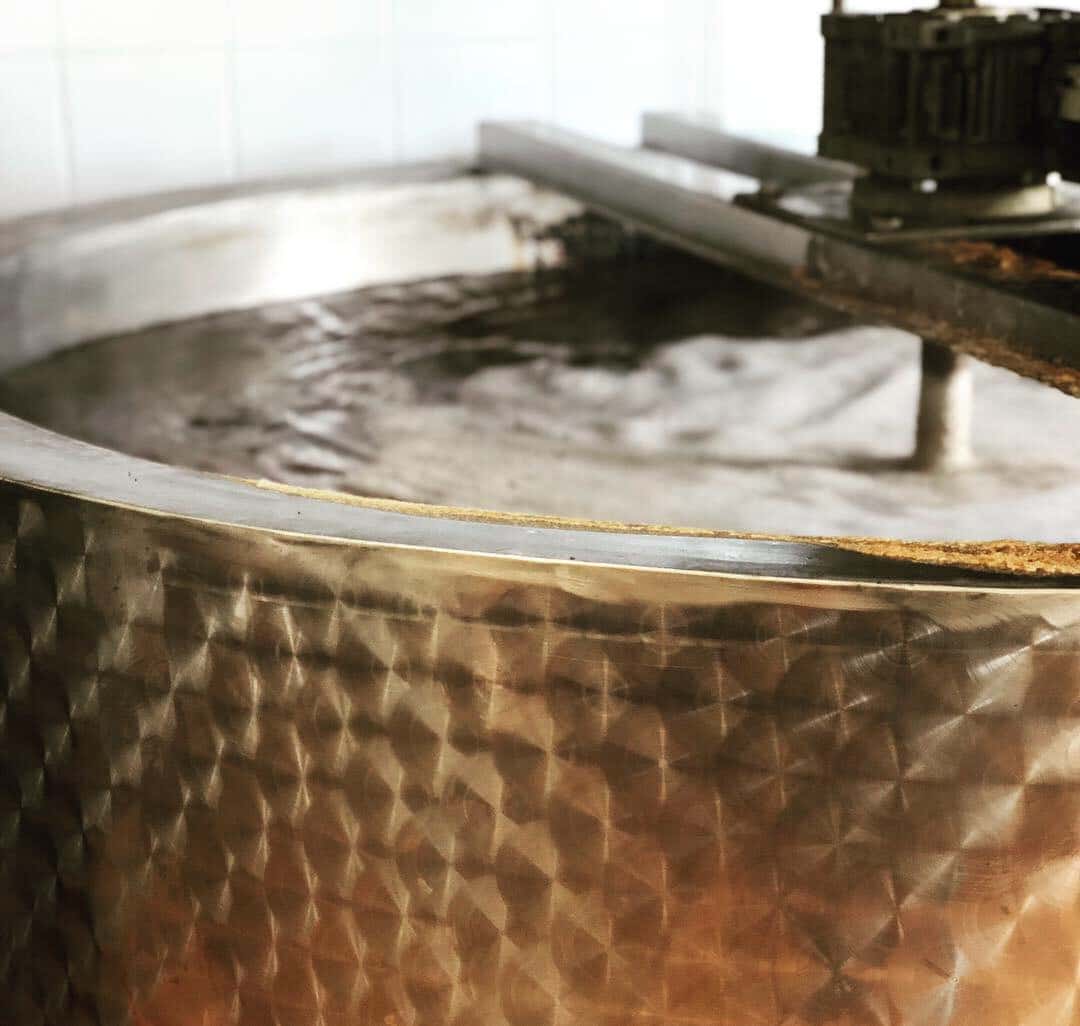
In practical terms, Wine Vinegar is sharp, direct, and acidic, while Balsamic Vinegar of Modena, thanks to cooked must and aging, is sweeter, more aromatic, and more complex, with a rich and balanced profile shaped by the concentration of natural grape sugars.
How is vinegar produced and why might it influence blood sugar?
Vinegar is a completely natural product obtained through the fermentation of sugars naturally present in sweet liquids such as fruit juice or grape must, whether raw or cooked. In the case of Acetaia Sereni, these sugars primarily come from grapes. Because the starting point is a sugar-rich base, many types of vinegar exist: apple vinegar, pear vinegar, grape vinegar (from which wine vinegar and balsamic vinegar derive), and other fruit-based varieties. Alongside grape-based production, Acetaia Sereni also produces a distinctive apple-based product, while remaining faithful to a natural fermentation process.
Acetic acid is the key component of interest. It is the component that may influence blood sugar levels, metabolism, and even fat utilization.


What do animal studies tell us? Vinegar affects the way muscles and liver use their energy
The acetic acid content of a vinegar has a significant impact on these functions:
- Improves glycogen recovery after excercise
In several studies on rats, administering acetic acid together with glucose after intense exercise has:
- Increased glycogen storage in both liver and muscles
- Activated enzymes involved in glycogen synthesis
- Appeared to shift energy use toward greater fat oxidation
- Increases fat burning
Other studies observed that acetic acid:
- Reduces certain molecules that inhibit fat burning
- Increases the activity of carnitine palmitoyl-transferase, a key enzyme in beta-oxidation, the process through which the body burns fat
- It activates AMPK, a protein that stimulates metabolic activity
It has also been shown that acetic acid activate AMPK, a metabolic “switch” that:
- Enhances fat oxidation
- Improves glucose uptake in muscles
- Stimulates mitochondrial production
In summary, in animal models vinegar appears to enhance metabolic efficiency and optimize glucose management.
What happens in humans? A more complex picture
In humans, the situation is more nuanced:
- Vinegar’s ability to slow carbohydrate digestion
Carbohydrate digestion requires a slightly alkaline environment, while vinegar is highly acidic. This acidity can partially reduce the activity of alpha-amylase, the enzyme that begins starch digestion in the mouth. As a result, glucose enters the bloodstream more gradually, potentially leading to a lower post-meal blood sugar spike.
- The effect works with meals rich in complex carbohydrates
The effect seems most evident when vinegar is consumed together with complex carbohydrates such as:
- Bread
- Pasta
- Potatoes
- Rice
- Other high glycemic index meals
However, it does not appear to produce the same effect when taken with pure glucose or simple sugars.
- What does the effective dose observed in acute studies show
In acute studies, the amount commonly used corresponds to approximately 1 gram of vinegar per meal, which translates into a few teaspoons of vinegar. With regard to Acetaia Sereni, it corresponds to:
- 20 ml of a Sereni Balsamic Vinegar of Modena P.G.I.
- 30 ml of a Sereni low acidity Food Seasoning (such as Dolcebalsamico®, White Balsamics, “Riserva di Famiglia” etc.)
Based on these conditions, several studies show that:
- 20% – 55% lower post-prandial blood glucose
Blood glucose typically spikes rapidly and sharply after a meal (the “sugar surge”). This spike is “flattened”, meaning glucose enters the bloodstream more slowly and in a more controlled manner. A 20% – 55% reduction is substantial: it can make the difference between feeling energized and experiencing a significant post-meal energy crash (drowsiness).
- Reduced insulin response
Insulin is the hormone responsible for storing glucose in the cells. If less glucose rapidly enters the bloodstream (see point 1), the pancreas needs to produce less insulin. Chronically elevated insulin levels are associated with inflammation and abdominal fat accumulation. Producing less insulin helps maintain insulin sensitivity and may help prevent type 2 diabetes.
- Reduction in postprandial triglycerides in certain cases
Triglycerides are the fats that circulate in the bloodstream after a meal. In some cases, certain nutrients can slow down or reduce fat absorption at the intestinal level. Lower post-meal blood fat levels are a positive indicator for heart and arterial health (reducing cardiovascular risk).
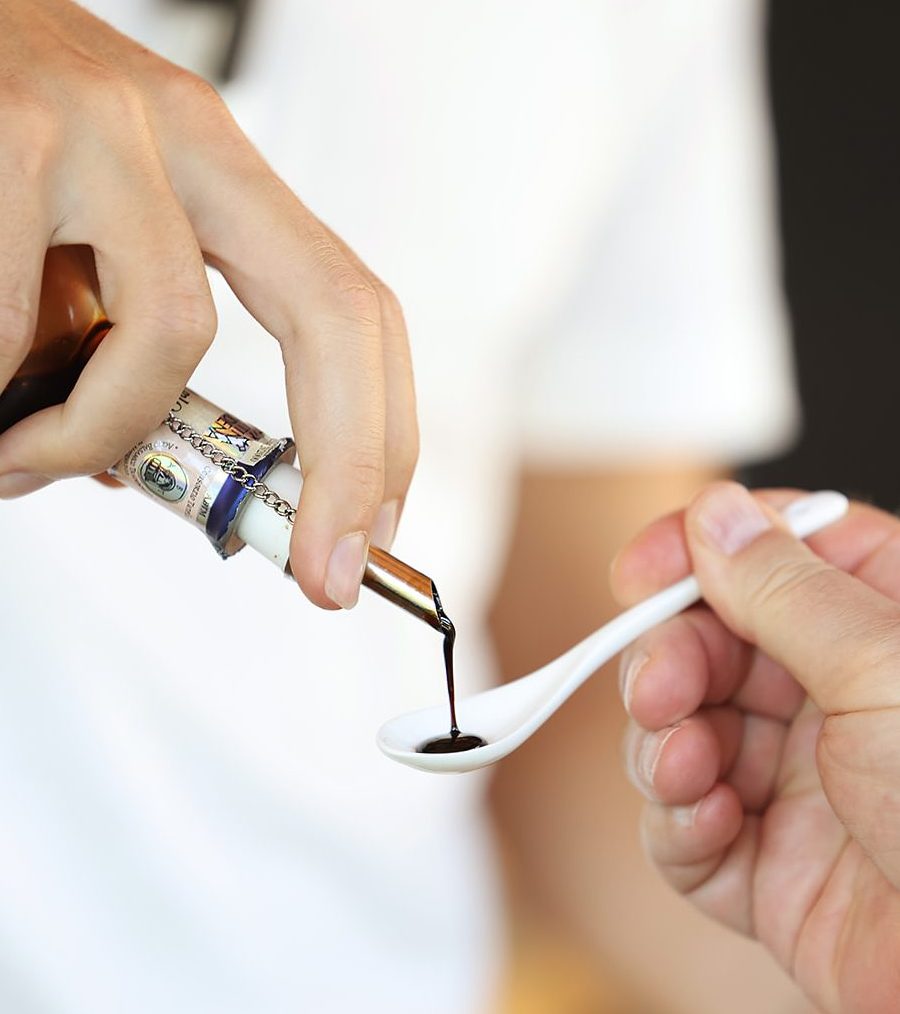
Evidence in people with prediabetes and diabetes
The most interesting researches concern individuals with altered glucose metabolism
- Prediabetes
In people with prediabetes, vinegar appears to produce a more pronounced effect than in healthy individuals:
- Reducing post-meal blood glucose
- Reducing insulin levels
- While improving insulin sensitivity
- Type 2 diabetes
- In type 2 diabetes, several studies report reductions in postprandial blood glucose
- Others show minimal or no effect
- The impact on fasting blood glucose tends to be modest, with reductions of around 5 mg/dL
- Type 1 diabetes
For type 1 diabetes, research is extremely limited, with only one small study suggesting:
- A slight reduction in post-meal glucose levels
- Much more evidence is needed before drawing conclusions.
Blood sugar under control (Type 2 Diabetes)
Here we are referring to how much glucose circulates in the blood of diabetic patients:
- Fasting blood glucose (current blood sugar levels): decreased from a relatively high value (175) to a level closer to normal (156). It’s as if, after eating, the body becomes more efficient at clearing sugar from the bloodstream.
- HbA1c (the “memory” of blood sugar): glycated hemoglobin (HbA1c) reflects the average blood sugar levels over the past three months. It dropped from 7.5% to 7%. This may indicate an overall improvement in lifestyle and a reduced risk of future complications.
In other words: it’s not a miraculous cure, but it represents a concrete step toward cleaner, less sugar-laden blood.
Reduction of blood lipids
Vinegar appeared to act like a sort of “cleaner” for the arteries in individuals with elevated blood fats.
- Total cholesterol: decreased from 51 mg/dL to 45 mg/dL, a clear reduction. Lower total cholesterol means less raw material available to potentially clog the arteries
- Triglycerides: decreased from 109 mg/dL to 20 mg/dL
- LDL (“bad” cholesterol): decreased from 39 mg/dL to 20 mg/dL — a significant drop. LDL is the type of cholesterol that adheres to blood vessel walls; having less of it means clearer, more resilient vessels.
In other words: the lipid profile improved in a visible and measurable way.
Reduction of visceral fat and body weight
A well-designed Japanese study showed that after 12 weeks of vinegar consumption:
- Visceral fat decreased
- Body weight dropped by 1–2 kg
- Triglycerides decreased by more than 40 mg/dL
These results support the idea that vinegar may have a small, but real, effect on weight loss.
Support for women with Polycystic Ovary Syndrome (PCOS)
In a pilot study, results were very promising for women dealing with PCOS symptoms:
- Improved blood sugar regulation: in 6 out of 7 women, the body began responding properly to insulin again. In practical terms, the body reduced insulin resistance and became more effective at converting sugar into energy.
- More regular cycles: in 4 out of 7 women, ovulation (which is often absent or irregular in PCOS) resumed normally. This is a key marker of hormonal health.
- Hormonal balance: positive effects were also observed on other hormones involved in fertility and overall female well-being.
These are preliminary findings, but they are encouraging.
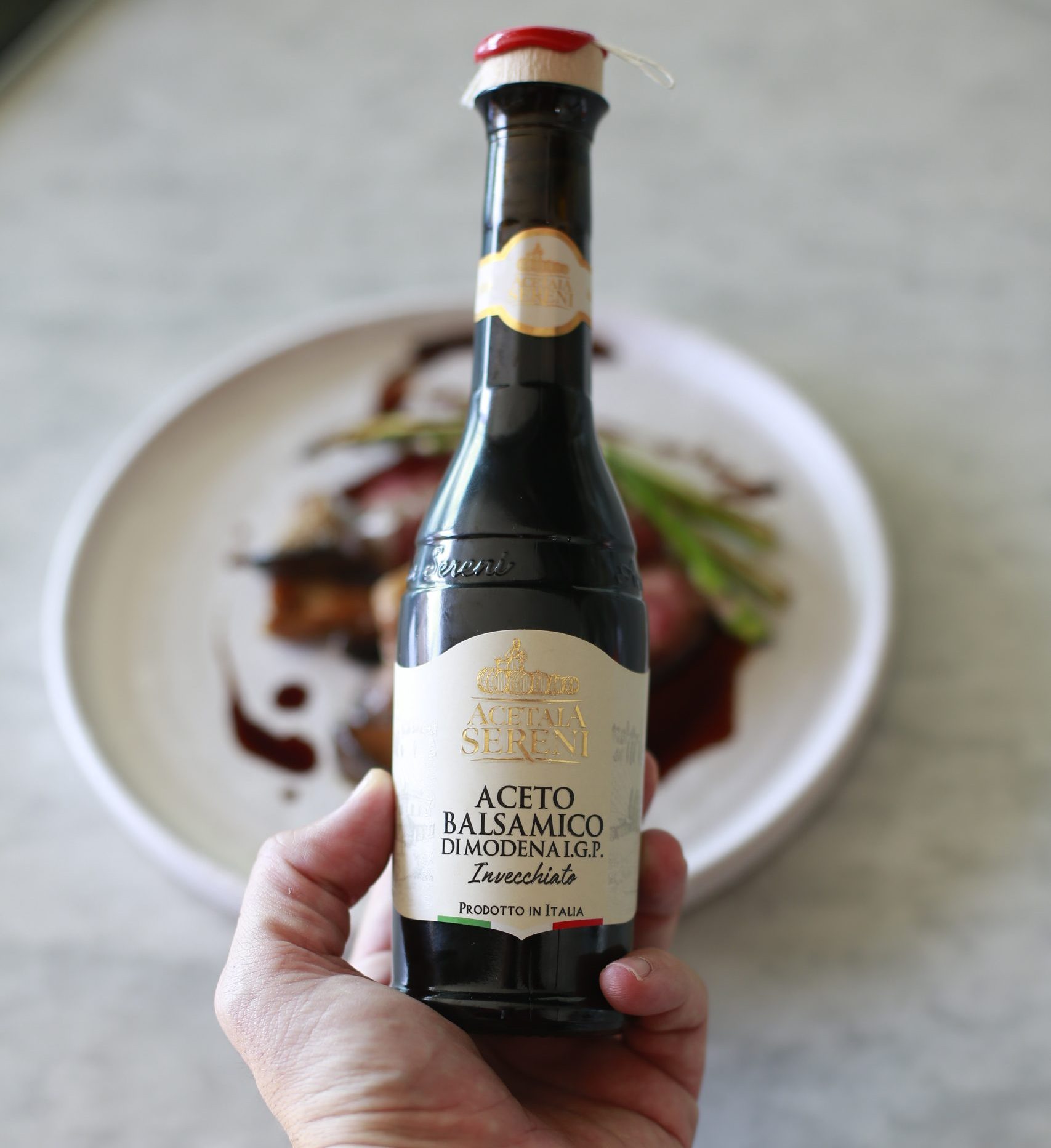
In conclusion
Vinegar is an ancient food, long used before modern science began investigating its biochemical mechanisms. Today, research indicates that its main component, acetic acid, may have interesting effects on blood sugar regulation, fat metabolism, and insulin sensitivity.
At the same time, it is important to maintain a balanced perspective. The effects observed in studies always depend on the broader dietary context, lifestyle habits, and individual metabolic conditions. Scientific research in this area is still evolving, and many findings require confirmation through larger and longer-term clinical trials.
In this context, the quality of raw materials and transparency in production become essential. Acetaia Sereni continues to follow scientific developments closely, investing in research on vinegar chemistry while strictly adhering to production standards. The goal is not to attribute therapeutic properties to a food, but to offer authentic products, made through natural processes, that can be part of a varied and balanced diet.
Ultimately, vinegar can be considered a conscious addition to daily nutrition, an ingredient that combines tradition, culinary culture, and scientific interest, whose value lies in balance, quality, and proper use.
This article was translated and adapted by Acetaia Sereni from material published in:
Clinical Nutrition Espen 32
© 2026 Acetaia Sereni. All rights reserved.