Vinegar is a completely natural product that occurs by double fermentation (alcoholic and acetic) of an initially sweet liquid, which can be raw or cooked juice/must of countless types of fruit.
For this reason it is possible to have apple vinegar, pear vinegar, grape vinegar (wine vinegar or balsamic vinegar) etc… Below, a simple scheme of the acetification process of a sugary liquid:
Fruit = Sugars ➝ Yeasts: First Fermentation = Alcoholic ➝ raw or cooked sweet flavor juicfe with Alcohol Content ➝ Bacteria: Second Fermentation = Acetic ➝ raw or cooked juice with a degree of Acidity: Vinegar
It all starts with the sugary juice of a fruit, which, if it is grape juice, is also called must. The sugar content of a liquid can be indicated by two units of measurement, the Babo Degrees or the Brix Degrees. For example, the raw must of an average sweet grape is around 22 degrees brix. If grape must is cooked, an obligatory process, for example, to obtain Balsamic Vinegar of Modena, 42-46 degrees brix (cooked must) can be reached.

Then the yeasts naturally present in the air intervene (first fermentation: alcoholic). More than a thousand species of yeasts have been cataloged. Yeasts have a very important function: they transform natural sugars into carbon dioxide and ethanol (alcohol). Some species are in fact commonly used to leaven bread (thanks to the production of carbon dioxide, while alcohol is lost in cooking) or to ferment drinks, which thanks to yeasts become alcoholic. At this point in the process we have a sweet juice with a certain alcohol content.
This alcohol content is almost completely transformed into acidity thanks to the action of BACTERIA, which are also present in nature. In particular, bacteria of the genus Acetobacter, which, in the presence of air and water, oxidize ethanol (alcohol), transforming it into acetic acid (second fermentation: acetic).
This process is also called acetification or more precisely Acetic Dioxidation.
And here our juice/must has become Vinegar.
Wine Vinegar
Let’s focus on wine vinegar now!
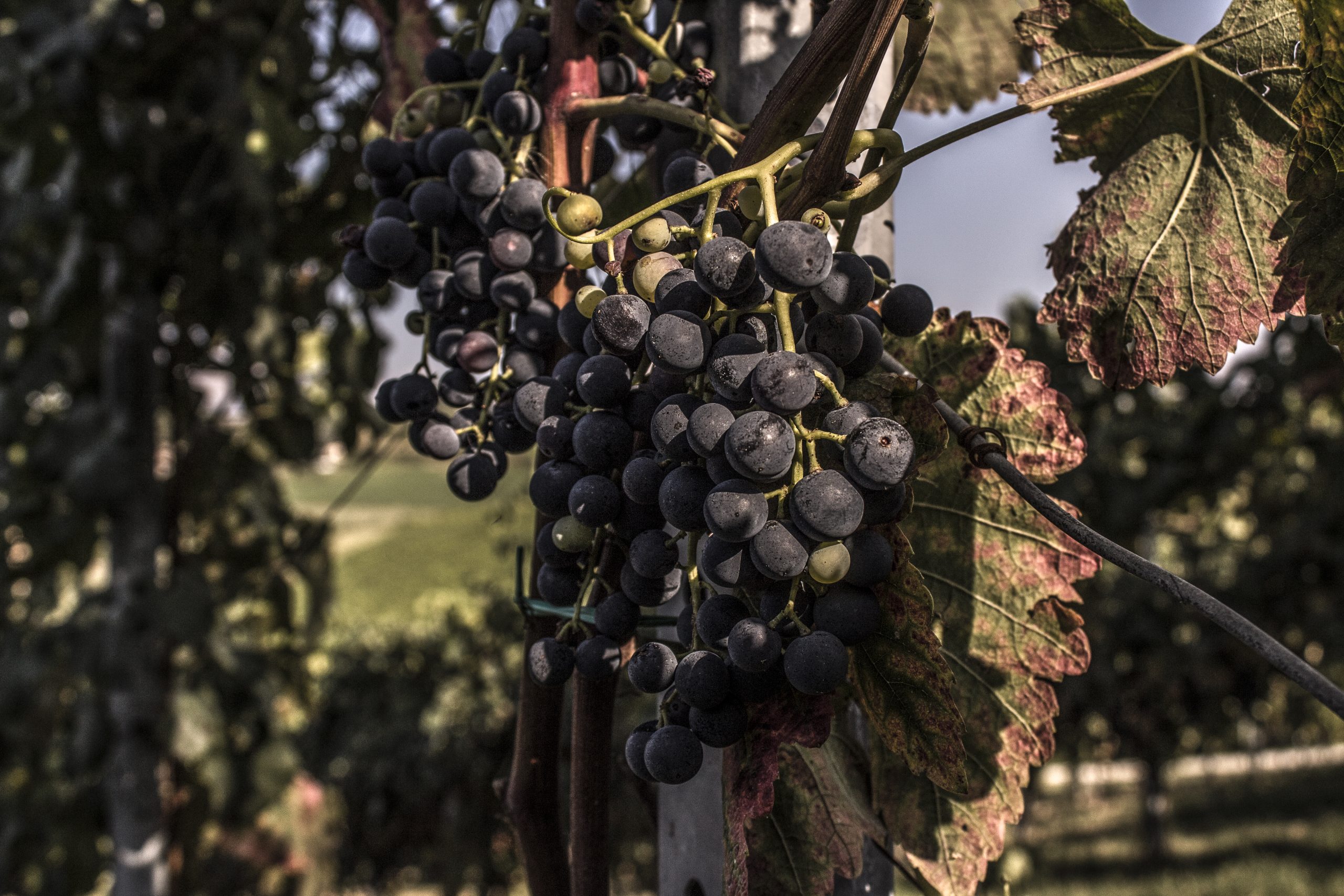
When the grapes are harvested, the next step is the pressing, to obtain the grape juice, or must. The must is on average sweet, around 22 degrees brix. Already a few hours after pressing, if the must is left in the open air, the yeasts, naturally present in the air (or sometimes even added by man), begin to transform the natural sugars of the raw must into alcohol and carbon dioxide. At this point we will have some wine. Red or white or rosé, depending on the type of grape used. If left in unsealed containers, carbon dioxide, the other product of yeast action, is released into the air and the wine will be immobile. If, on the other hand, the wine is stored in airtight containers, the carbon dioxide produced by the yeasts will join the liquid and the wine will become sparkling.
Wine is an alcoholic liquid in which the remaining sugar part, therefore the sweetness, is very little. If not perfectly closed in barrels, if left in the open air or if they reach too high temperatures, wines are particularly sensitive to the attacks of oxidizing bacteria of the genus Acetobacter!
The Bacteria of the vinegar transform the alcohol of the wine into acetic acid, thanks to the acetic fermentation.
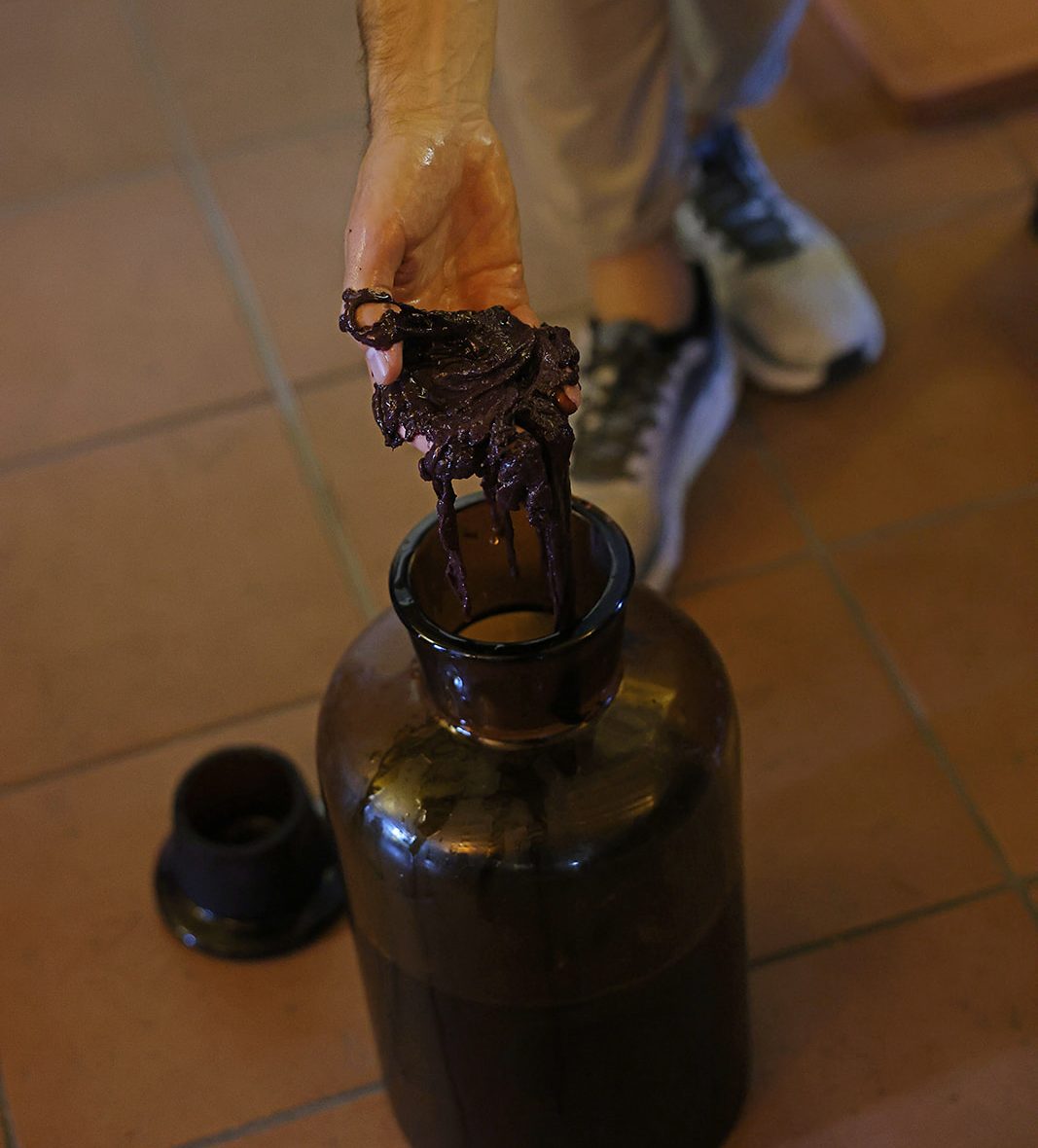
On the surface a light gray patina forms which covers the liquid, and, over time, this patina, becoming darker, turns into a gelatinous mass which takes the name of “mother of the vinegar“. Until a couple of generations ago, in the countryside, the mother of the wine vinegar was a common presence inside the vinegar bottles, and even today it is not difficult for the mother of the wine vinegar to grow also inside the bottles of vinegar present in our kitchens, inside the wardrobes. The result of this second fermentation is Wine Vinegar.
It can be white, red or rosé, depending on the wine used. It has the characteristic flavor of being very acidic. The acidity of the wine vinegar varies according to the starting alcohol content of the wine.
Usually a vinegar develops from 6 to 10 degrees of acidity, expressed in g / L. We can find wine vinegars with an acetic degree of 6% or 7.1% on the market. The sweetness of raw grape must is a distant memory, almost no trace remains of it. This is why we define wine vinegar as a “dry” product, ie without residual sugars. As for the alcohol content, the residual alcohol content in the wine vinegar must never exceed 1.5% by volume.
Wine vinegar can develop from many types of grapes and therefore wines, both white and red of course, such as Lambrusco, Chianti, Marzemino, and among the whites Chardonnay and Trebbiano. The alcohol content of the wine most suitable for the development of vinegar is about 10 ° / 12 °, therefore not excessive. Red wine vinegar usually has a slightly tastier, more fragrant and fruity flavor.
Types of Wine Vinegar according to current Italian Legislation
- Common vinegar: produced with non-precious wine, by rapid fermentation, clarified and filtered.
- Quality vinegar: produced with fine wine, by slow fermentation and subsequent aging in wooden barrels.
- Flavored vinegar: produced using quality vinegar to which aromatic herbs are added.
- Discolored vinegar: discolored common vinegar, intended for the food industry for the preservation of pickled vegetables.
- Special vinegar: identifies several special types of vinegar, including the balsamic vinegar of Modena
Use of Wine Vinegar
Wine vinegar is a condiment for food: to dress the salad, for example, it can be used alone or, combined in an emulsion with extra virgin olive oil and salt, it can become a delicate vinaigrette with which to enhance the flavors of delicate white meat or raw or cooked fish;
wine vinegar, especially red, is also used for marinating red meats, combined with spices and aromas, or for marinating blue fish, such as sardines, in the preparation of Sarde in Saor!
Wine vinegar is also present as an ingredient in many sauces, including mayonnaise.
Wine vinegar also has the ability to preserve food, since it reduces the microbial load present in food, and is therefore often used to preserve raw or cooked vegetables, in fact pickled.

Wine vinegar is one of the two ingredients that must be compulsorily present in the production of Balsamic Vinegar of Modena PGI.
Balsamic Vinegar of Modena PGI, which as mentioned above is considered special vinegar, is in fact still produced today as many centuries ago by combining cooked grape must with wine vinegar.
Cooked must, or cooked grape juice, turns out to be a product with a high sugar concentration, so very sweet, and was formerly used to make wine vinegar more pleasant, which has acidity as its predominant taste.
In this precious Balsamic Vinegar, which is then aged for a minimum of two months in wooden barrels in Modena and the province, it is possible to add a minimum of 20% of wine vinegar, creating a high quality Balsamic vinegar, such as “Balsamic Vinegar of Modena PGI “White Label“, up to 80% of wine vinegar. Aging can then be even greater than 60 days. The longer it is left in wooden barrels, the more the Balsamic Vinegar of Modena PGI will be valuable and will have complex aromas; when aged from 3 years onwards we can speak of aged Balsamic Vinegar of Modena PGI.
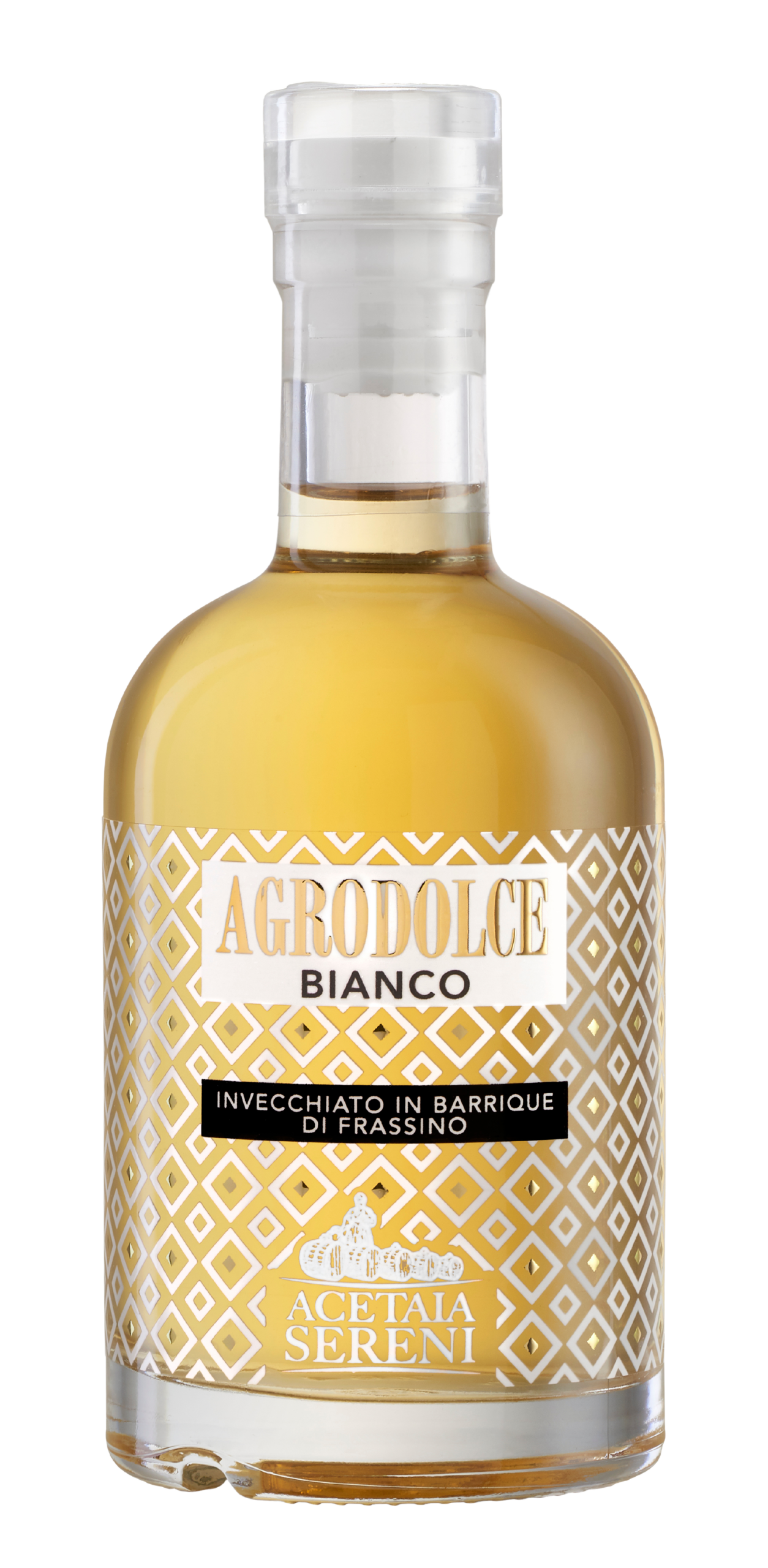
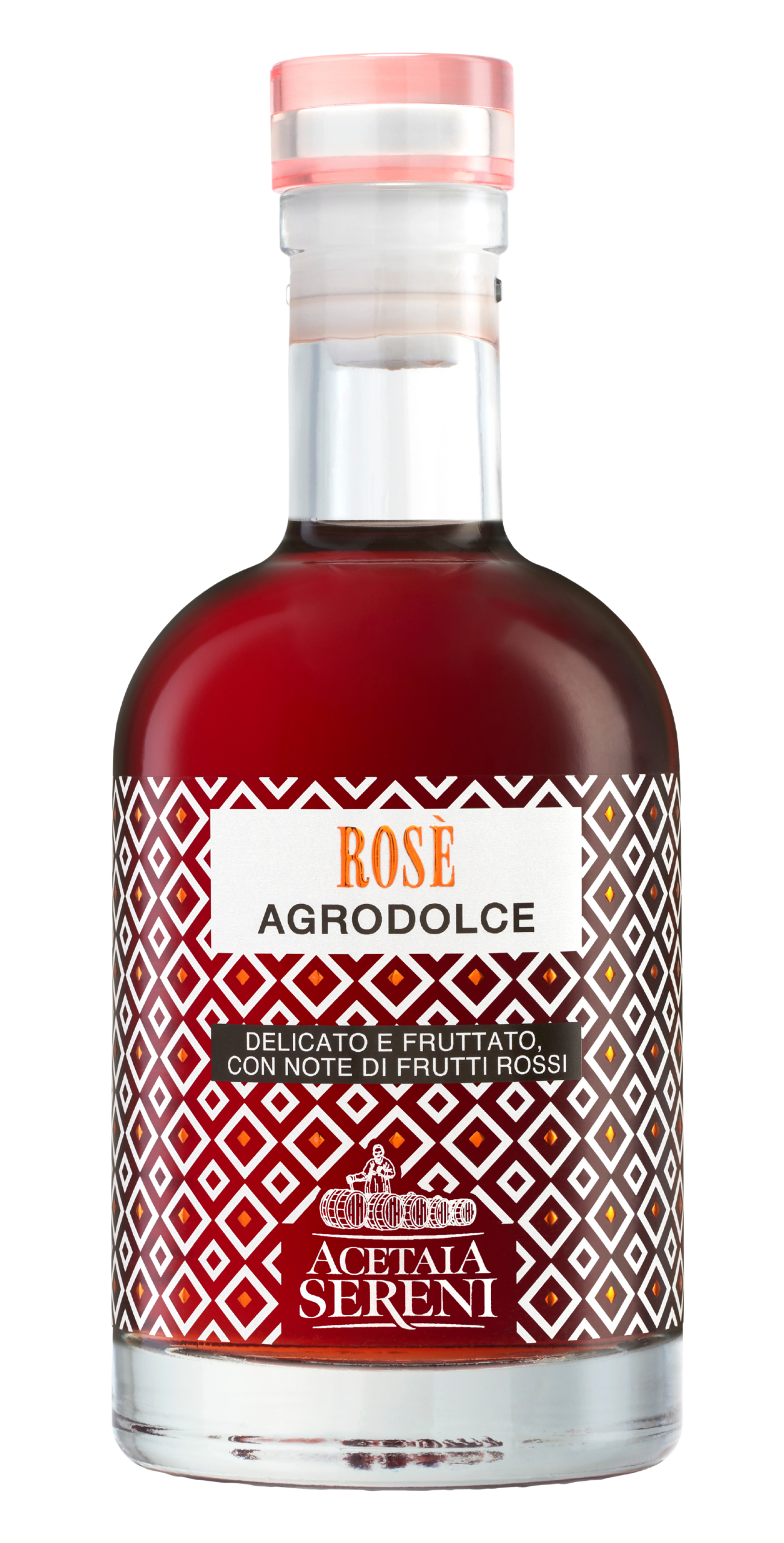
From white wine vinegar it is also possible to produce a White Sweet&Sour Dressing, adding to the white wine vinegar, which is acid, the concentrated must of white grapes, which is sweet and clear, obtaining a fresh dressing very suitable for summer salads, perhaps with the addition of fruit, suitable for meat or fish carpaccio, and which is a cross between wine vinegar and balsamic vinegar!
A similar product can be even more special if you add the infusion of fresh herbs such as mint and rosemary, as in Acetaia Sereni’s Mediterranean White Sweet&Sour Dressing, which can even be used for the preparation of innovative cocktails!
If, on the other hand, red wine vinegar is used, combined with concentrated must, you can obtain a Rosé Sweet&Sour Dressing, with a not excessive acidity, usable every day and perfect for marinades.
Beneficial Properties of Wine Vinegar
Like practically all products derived from grapes, wine vinegar also has beneficial properties for human health, as long as you don’t overdo it!
To maintain a general state of good health, it is often suggested to drink a glass of wine vinegar and water in the morning as soon as you get up: the polyphenols contained in the wine vinegar help strengthen the immune system and slow down aging, thanks to the properties antioxidants and defense against free radicals.
Used as a condiment, thanks to its mineral salt content, it helps digestion, slows it down and allows you to feel full sooner and longer, so it is also recommended in diets, as well as thanks to its very low calorie content.
The mineral salts present in wine vinegar also help prevent inflammation of the joints.
Wine vinegar also has the properties of reducing blood sugar and blood pressure typical of acetic acid.
Hints of the History of Wine Vinegar
Wine vinegar was already known by the Egyptians, who used it 3000 years ago to season and flavor foods.
It was also known by the Greek and Roman populations, it is mentioned by the agronomy scholar of ancient Rome Lucio Columella in the first century AD, it was used as a refreshing and invigorating drink mixed with water;
vinegar was added to the water of the Roman legions also to ensure adequate disinfection, otherwise insects and bacteria would have poisoned the military during their travels. Vinegar was also used to aid digestion or marinating meat. Wounds were disinfected with vinegar and tried to cure diseases such as plague, even if without great results.
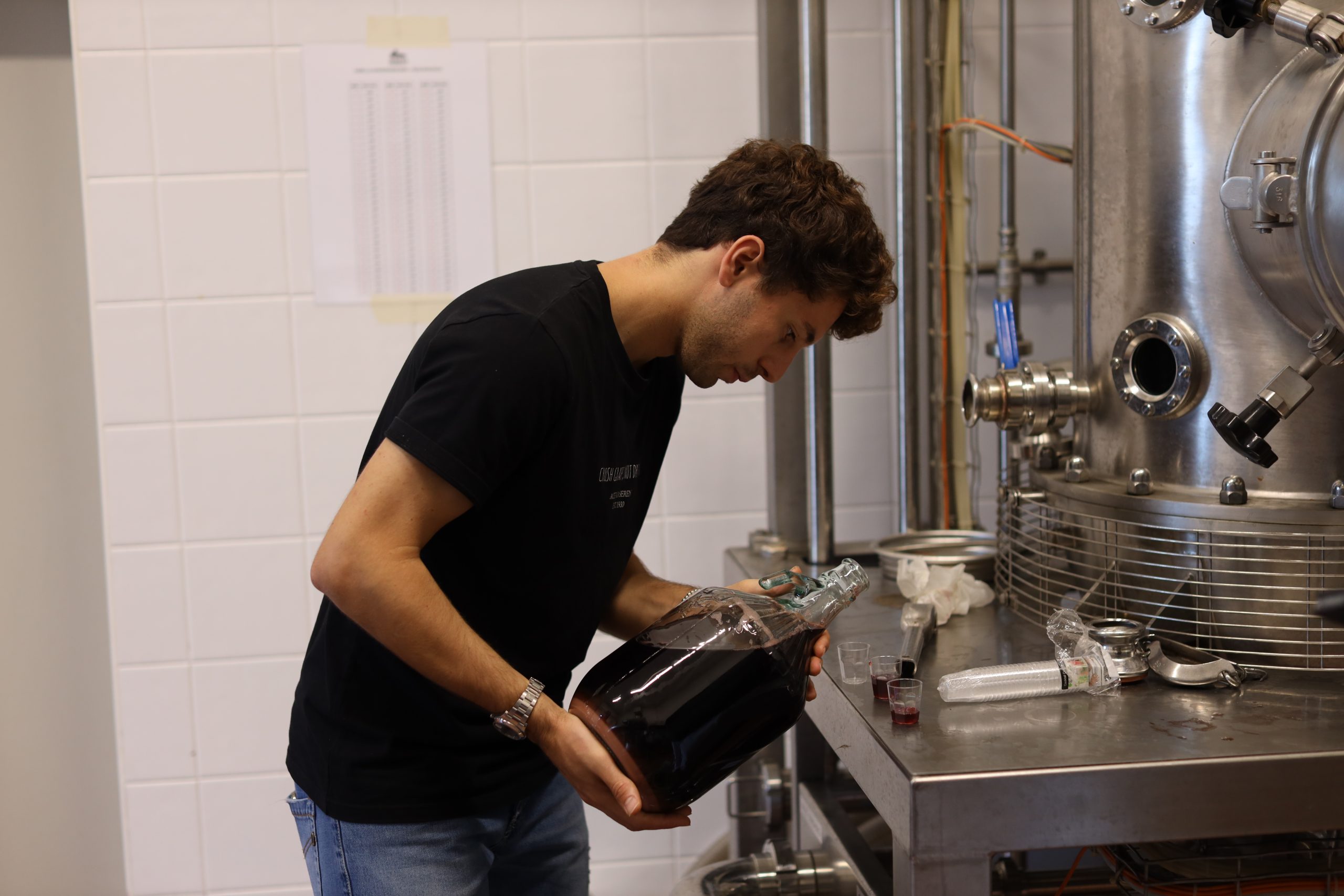
The methods for producing vinegar are refined during the medieval period in which many guilds were born, each with its own secret recipe for its preparation: in this period, the vinegar obtained from grape must becomes a valuable food, while the people had to be satisfied with that obtained from the fermentation of fruit, such as that obtained from apples, the apple vinegar still in use today.